

The Bottletree Blog
Oral Surgery in Dogs: Common Causes and Signs
Oral surgery in dogs covers a range of procedures performed inside the mouth, from tooth extractions to tumor removal and jaw repairs. If your veterinarian has recommended oral surgery for your dog, you may be wondering what the procedure involves and whether it’s truly necessary. The short answer is that oral health is directly connected to your dog’s overall health, and when dental disease progresses beyond what routine cleanings can address, surgery becomes an important tool. At Bottletree Animal Hospital in Oxford, Mississippi, the team is committed to helping dog owners understand when oral surgery is needed and what to expect throughout the process.
What Is Oral Surgery in Dogs?
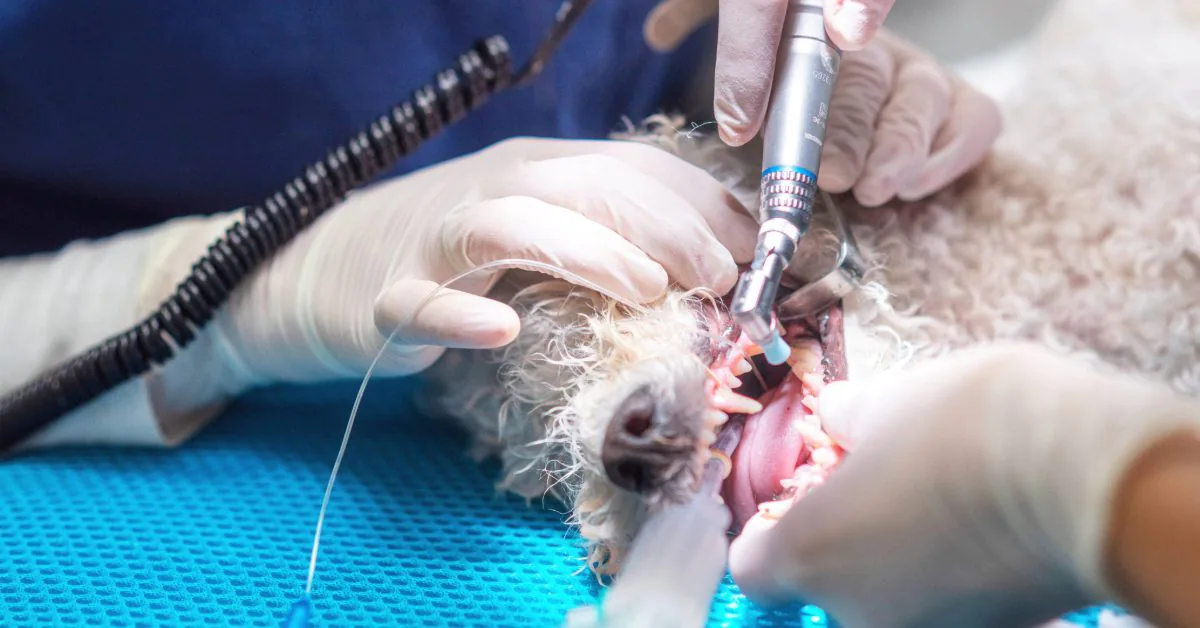
Oral surgery in dogs refers to any surgical procedure performed within the oral cavity, including the teeth, gums, tongue, palate, jawbone, and surrounding structures. It goes beyond a standard dental cleaning to address conditions that require surgical intervention to correct or treat. While every dog benefits from regular dental cleanings, some conditions progress to the point where cleaning alone won’t resolve the problem.
Canine oral surgery is always performed under general anesthesia, which allows our veterinary team to work safely and thoroughly without causing stress or pain to your dog. Dental X-rays are also taken to evaluate the roots and surrounding bone, because many significant oral problems are not visible on the surface alone.
What Are the Most Common Causes of Oral Surgery in Dogs?
Several conditions can lead to a recommendation for oral surgery in dogs. Some develop gradually over time, while others result from injury or are present from birth. Understanding the most common causes can help pet owners recognize early warning signs and seek care before problems become severe.
Severe Periodontal Disease
Periodontal disease is the most common dental condition in dogs, and it progresses in stages. In early stages, a professional cleaning is sufficient. But when disease advances to involve significant bone loss, deep pocketing around the tooth root, or abscesses, tooth extraction becomes necessary. Extraction removes the source of infection and pain, preventing it from spreading to surrounding teeth or entering the bloodstream.
Fractured or Broken Teeth
Dogs crack and fracture their teeth more commonly than many people realize, often from chewing on hard objects like antlers, bones, or ice cubes. A fractured tooth that exposes the pulp (the living tissue inside the tooth) is painful and creates a direct pathway for bacteria to travel deep into the root and jaw. Treatment options include extraction or root canal therapy, which is a type of oral surgery in dogs that can preserve the tooth while eliminating infection.
Retained Baby Teeth
Puppies that don’t lose their baby teeth at the appropriate time can develop persistent deciduous teeth that crowd or redirect the adult teeth. This is most common in small and toy breeds. Surgical extraction of retained baby teeth is a simple procedure that prevents crowding, malocclusion, and the accelerated dental disease that comes with it.
Oral Tumors and Masses
Oral tumors in dogs range from benign growths like gingival hyperplasia (gum overgrowth) to malignant cancers like melanoma, squamous cell carcinoma, and fibrosarcoma. Any new growth inside a dog’s mouth warrants veterinary evaluation. Surgical removal of oral tumors is often the primary treatment, and in the case of malignant tumors, wide surgical margins are required to reduce the chance of recurrence.
Jaw Fractures
A broken jaw in a dog can result from trauma, such as being hit by a car or a fall, but it can also result from severe periodontal bone loss that leaves the jaw structurally compromised. Jaw fracture repair is a specialized form of canine oral surgery that involves stabilizing the fracture using wires, plates, screws, or external fixation devices so the bone can heal in proper alignment.
Palate Defects
Cleft palates and oronasal fistulas (abnormal openings between the mouth and nasal cavity) require surgical repair. Cleft palates are often present at birth and are most common in certain brachycephalic breeds. Oronasal fistulas can develop as a complication of tooth extraction or severe periodontal disease. Both conditions affect a dog’s ability to eat and breathe normally, and surgery is the only effective treatment.
What Are the Signs That a Dog May Need Oral Surgery?
Dogs are notorious for hiding discomfort, which means oral pain often goes unnoticed until it becomes significant. Knowing what to look for gives you a better chance of catching problems early. Many of the signs of dental disease requiring surgery overlap with general oral discomfort, so any of these symptoms should prompt a veterinary evaluation.
- Bad breath (halitosis) that is persistent and noticeably foul
- Difficulty chewing, dropping food, or preferring soft foods over kibble
- Pawing at the face or mouth, or rubbing the face on surfaces
- Swelling of the face, particularly below the eye (often a sign of a tooth root abscess)
- Visible broken or discolored teeth
- Bleeding from the mouth or blood-tinged saliva
- Reluctance to have the mouth touched or examined
- Visible masses or growths inside the mouth
- Weight loss or decreased appetite without a clear cause
If you notice any of these signs in your dog, it’s time to schedule an appointment at Bottletree Animal Hospital. A thorough oral examination, often with dental X-rays under anesthesia, will give your veterinarian the information needed to recommend the most appropriate treatment.
How Is Canine Oral Surgery Performed?
All dog oral surgery is performed under general anesthesia with continuous monitoring of vital signs throughout the procedure. The dog is intubated to protect the airway, and IV fluids are administered to support blood pressure and hydration. The surgical team uses specialized dental instruments and magnification to work carefully within the oral cavity.
Tooth Extractions
Dental extractions in dogs are more involved than in humans because dogs have large, multi-rooted teeth with deep roots. Your veterinarian carefully sections multi-rooted teeth and uses elevators and extraction forceps to loosen and remove each root. The extraction site is then flushed, smoothed, and often sutured closed to promote healing and reduce the risk of infection.
Mass Removal and Biopsy
When an oral mass is removed, the surgeon excises the growth along with a margin of surrounding tissue. The sample is sent to a pathologist for identification. Results help determine whether additional treatment such as chemotherapy or radiation is needed. In some cases, biopsy may be performed before surgery to plan the appropriate scope of the procedure.
What Does Recovery From Dog Oral Surgery Look Like?
Most dogs recover well from oral surgery, though the recovery timeline depends on the extent of the procedure. Minor extractions may require only a few days of soft food and activity restriction, while more complex procedures like jaw repair or extensive tumor removal may involve a longer healing period. While your dog is in recovery, you’ll need to:
- Feed soft or moistened food for ten to fourteen days to avoid disrupting suture sites
- Avoid giving toys, bones, or chews during the recovery period
- Administer all prescribed medications as directed, including pain relief and antibiotics
- Monitor the mouth for signs of swelling, bleeding, or discharge
- Attend follow-up appointments to assess healing and remove sutures if needed
Dogs adapt remarkably well after dental surgery, even after significant extractions. Many owners are surprised by how much better their dog feels and how quickly they return to eating comfortably once the source of pain has been removed.
The Role of Routine Dental Care in Preventing Oral Surgery
Not all oral surgery in dogs is preventable, but many cases of advanced periodontal disease that lead to extractions are. Regular professional dental cleanings, which are performed under anesthesia at Bottletree Animal Hospital, allow our veterinary team to evaluate your dog’s oral health thoroughly, remove tartar buildup, and catch problems before they become surgical issues.
At-home dental care between cleanings also plays a role. Daily tooth brushing with a dog-safe toothpaste, dental chews approved by the Veterinary Oral Health Council (VOHC), and dental rinses or water additives all help slow the buildup of plaque and tartar. Your veterinarian can recommend a home care routine tailored to your dog’s specific needs.
Your Dog’s Mouth Matters More Than You Might Think
Dental disease in dogs is progressive and painful, and it doesn’t stay confined to the mouth. Bacteria from advanced periodontal disease can enter the bloodstream and affect the heart, kidneys, and liver. Oral surgery in dogs, when it’s needed, is not just about fixing a tooth. It’s about protecting your dog’s overall health and quality of life.
If your dog is showing any signs of oral discomfort, or if it has been more than a year since their last dental cleaning, call Bottletree Animal Hospital in Oxford, Mississippi at (662) 234-4336. The team is ready to evaluate your dog’s oral health and recommend the right path forward, whether that’s a routine cleaning, further diagnostics, or surgical intervention. Your dog’s comfort is worth the call.
Recent Posts
About Us
Welcome to Bottletree Animal Hospital, your family-friendly veterinarian in Oxford. We are a team of animal lovers who are passionate about veterinary excellence. We love working closely with you and your pet to help us learn more about your furry friend, their lifestyle, and their needs.