

The Bottletree Blog
Cat Coughing: Causes and When to Visit the Vet
Cat coughing can catch pet owners off guard. One moment your cat seems perfectly comfortable, and the next they are making a hacking or gagging sound that looks concerning. Cat coughing is more common than many people realize, and it can range from mild and occasional to persistent and disruptive. Because coughing can look similar to hairball behavior or even vomiting, it is easy to dismiss early signs. Below, we’ll explore cat coughing in detail, explain why it happens, and outline when it is time to contact your veterinarian at Bottletree Animal Hospital.
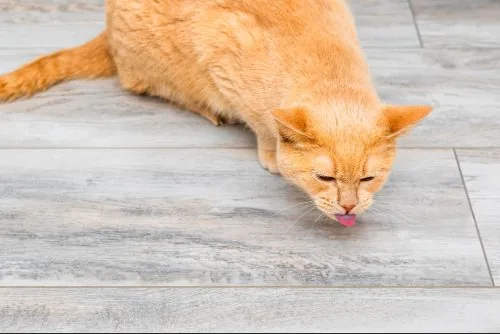
What Cat Coughing Looks Like and Why It Can Be Confusing
Coughing does not always look like coughing in people or dogs. Many pet owners describe coughing as a dry, hacking sound that causes the cat to crouch low to the ground with their neck stretched forward. In some cases, coughing includes wheezing or gagging noises that stop abruptly. Because coughing can resemble hairball episodes, it often gets overlooked at first. Hairballs typically end with material being expelled, while coughing episodes often stop without producing anything. Paying attention to how often coughing occurs, how long it lasts, and what your cat does during these episodes provides helpful context for your veterinarian.
Cat coughing can happen once and never return, or it can show up repeatedly over days or weeks. Recurrent coughing is usually more significant than a single episode. Some cats experience coughing during activity, while others cough while resting. Each pattern offers clues that veterinarians consider during an exam. Even subtle changes matter, especially if coughing becomes part of your cat’s routine.
Common Causes of Cat Coughing
Coughing has many potential causes, and they vary in severity. Some causes involve the airways, while others relate to the lungs or surrounding structures. Identifying the underlying reason for coughing requires a veterinary exam and diagnostic testing, but learning about common causes helps pet owners understand why monitoring matters.
Respiratory Conditions Linked to Coughing
Respiratory issues are among the most frequent reasons for cat coughing. Inflammatory conditions in the airways can narrow breathing passages and trigger coughing episodes. Coughing linked to respiratory inflammation may occur intermittently or worsen over time. Some cats show coughing along with wheezing or labored breathing. These signs often become more noticeable during activity or excitement. Environmental irritants such as dust or smoke may also contribute to respiratory-related coughing.
Infections That May Cause Cat Coughing
Certain infections affect the upper or lower respiratory tract and lead to coughing. These infections can irritate airway tissues and cause persistent coughing sounds. Cat coughing related to infection may appear alongside nasal discharge, sneezing, or changes in appetite. While some infections resolve, others may linger and lead to repeated coughing episodes. Any ongoing coughing paired with other symptoms deserves veterinary attention.
Parasites and Cat Coughing
Parasites that affect the lungs or airways can also cause cat coughing. These parasites irritate internal tissues, leading to coughing as the body reacts. Coughing related to parasites may be subtle at first and gradually increase. Because these cases are not visible externally, many pet owners do not associate coughing with parasites right away. Veterinary testing helps determine whether parasites play a role in persistent coughing.
How Hairballs Differ From Coughing
Hairballs and coughing often get confused, but they are not the same issue. Hairballs typically involve retching followed by the expulsion of hair and stomach contents. Coughing, on the other hand, often produces a dry sound without material coming up. Cats with frequent hairballs may still experience coughing, but the two behaviors have different underlying causes. Understanding the difference helps pet owners communicate clearly with their veterinarian. Describing whether your cat produces anything during episodes helps distinguish hairball activity from true cat coughing.
When Coughing Becomes a Concern
Occasional cat coughing may not always signal a serious problem, but certain patterns raise concern. Frequent coughing, coughing that worsens over time, or coughing that interferes with normal activity should prompt a veterinary visit. Coughing that occurs daily or several times per week deserves closer attention. If coughing happens alongside breathing changes, lethargy, or appetite shifts, those signs suggest the issue may be more complex.
Signs That Point to a Veterinary Visit
Some signs indicate that coughing requires professional evaluation. These include prolonged coughing episodes, coughing paired with wheezing, or coughing that appears painful or distressing. Changes in posture during cat coughing, such as extended neck or open-mouth breathing, also matter. Noticing these patterns helps veterinarians assess severity and urgency. Early evaluation often leads to clearer answers and more effective management plans.
Why Timing Matters With Coughing
Timing plays an important role when addressing coughing. Conditions that start mildly can progress if left unchecked. Tracking how long coughing has been happening helps veterinarians determine whether the issue is acute or chronic. Chronic coughing often points to ongoing airway or lung concerns. Prompt veterinary care allows for appropriate diagnostics and monitoring, which can improve long-term comfort for your cat.
How Veterinarians Evaluate Cat Coughing
When you bring your cat to Bottletree Animal Hospital for cat coughing, the appointment typically starts with a detailed history. Your veterinarian may ask how often coughing occurs, how long episodes last, and whether anything seems to trigger them. Physical examination focuses on the chest, breathing patterns, and overall condition. Diagnostic tools such as imaging or laboratory testing help identify underlying causes. Each step helps narrow down why coughing is happening and guides next decisions.
Veterinary evaluation aims to understand the source of coughing rather than masking symptoms. Because coughing can stem from multiple systems, thorough assessment matters. Even if cat coughing appears mild, evaluation helps rule out more serious concerns and establishes a baseline for future comparison.
Living With a Cat That Coughs
Watching your cat cough can feel stressful, especially when episodes happen unexpectedly. Many pet owners worry about whether coughing affects quality of life. While some cats continue normal routines between episodes, others may slow down or avoid activity. Monitoring behavior changes alongside coughing provides helpful insight. Keeping notes about frequency and duration supports productive conversations with your veterinarian. Cat coughing may also affect how pet owners interact with their cats. Some owners become hesitant to encourage play or activity out of concern. Discussing these worries with your veterinarian helps clarify what behaviors are safe and what signs warrant closer monitoring.
The Importance of Professional Care for Coughing
Professional veterinary care plays a central role in managing coughing. Because coughing can have many causes, guessing often leads to delayed answers. Veterinary evaluation provides clarity and helps determine appropriate next steps. At Bottletree Animal Hospital in Oxford, Mississippi, our veterinary team works closely with pet owners to understand symptoms and concerns. Clear communication helps ensure that coughing receives the attention it deserves. If you notice ongoing coughing or changes in breathing patterns, reaching out to your trusted veterinarian helps protect your cat’s comfort and health. Early conversations often reduce uncertainty and support informed decision-making.
Why Continued Observation Matters With Cat Coughing
Coughing does not always resolve quickly, and some cats require ongoing monitoring. Regular veterinary visits help track changes and adjust care plans as needed. Staying attentive to subtle changes in coughing patterns helps detect shifts early. Open communication with your veterinary team supports long-term management and peace of mind.
If your cat has experienced coughing or you have concerns about breathing changes, contact Bottletree Animal Hospital. Call us at (662) 234-4336 or make an appointment to discuss your cat’s symptoms with a knowledgeable veterinary team. Timely evaluation helps address cat coughing thoughtfully and supports your cat’s comfort at every stage of life.
Recent Posts
About Us
Welcome to Bottletree Animal Hospital, your family-friendly veterinarian in Oxford. We are a team of animal lovers who are passionate about veterinary excellence. We love working closely with you and your pet to help us learn more about your furry friend, their lifestyle, and their needs.