

The Bottletree Blog
Why Is My Dog’s Tongue Swollen?
If you notice your dog’s tongue is swollen, it can be alarming. The tongue plays a major role in eating, drinking, cooling the body, and expressing comfort or stress. A dog’s swollen tongue can look larger than normal, darker in color, or even hang slightly outside the mouth. Some dogs paw at their face, drool more than usual, or seem uncomfortable when swallowing. Because a dog’s swollen tongue can be linked to a wide range of medical issues, it is important to understand what may be happening and when to seek veterinary care. This blog explains the most common reasons a dog’s tongue swelling occurs, what signs often appear alongside it, and how a veterinarian evaluates the condition.
Common Reasons a Dog’s Tongue Is Swollen
When pet owners ask why a dog’s tongue is swollen, the answer is not always simple. The tongue is a soft, highly vascular structure, which means it reacts quickly to inflammation, trauma, and systemic illness. In many cases, a dog’s tongue becoming swollen develops suddenly, while in others it progresses over time. Identifying possible causes helps pet owners understand the urgency of the situation and why prompt veterinary attention matters.
A dog’s swollen tongue may appear on its own or alongside other symptoms such as facial swelling, difficulty breathing, or changes in appetite. These associated signs give veterinarians important clues. Below are the most frequent categories that explain why a dog’s tongue swelling may occur.
Allergic Reactions and Immune Responses
Allergic reactions are a common reason a dog’s tongue is swollen and appears without warning. Dogs can react to environmental allergens, insect stings, certain foods, or medications. When an allergic response occurs, the immune system releases chemicals that cause blood vessels to expand, leading to visible swelling.
A dog’s tongue swollen due to allergies often develops rapidly and may involve the lips, muzzle, or throat as well. Some dogs also show itching, hives, or restlessness. In more serious reactions, swelling can interfere with normal breathing. Even if the swelling seems mild at first, a dog’s tongue swollen from an allergic response should always be evaluated by your veterinarian.
Insect Stings and Bites
Dogs frequently explore with their mouths, which increases the risk of insect stings. Bees, wasps, and spiders can all trigger localized swelling. A dog’s tongue swollen after a sting may appear red, tender, or uneven in shape. Because the tongue has limited space within the mouth, even mild inflammation can cause discomfort.
Food-Related Sensitivities
In some cases, a dog’s tongue swelling develops after exposure to a food ingredient that triggers an immune response. This swelling may appear alongside vomiting, diarrhea, or facial itching. While food sensitivities often cause skin or digestive signs, oral swelling can also occur.
Trauma and Oral Injuries
Physical injury is another common explanation for a dog’s tongue being swollen. Dogs chew on toys, sticks, bones, and household objects, which can lead to cuts, punctures, or bruising. The tongue heals quickly, but it also swells easily after trauma. A dog’s tongue swollen from injury may show visible wounds or darkened areas from bruising. Some dogs become hesitant to eat or drop food while chewing. Others may lick excessively or avoid opening their mouth. Even minor injuries can look dramatic due to the tongue’s rich blood supply.
Burns and Thermal Injuries
Dogs can burn their tongues by chewing hot objects, licking heated surfaces, or consuming very hot food. A dog’s tongue swollen from a burn may appear bright red, blistered, or unusually smooth. These injuries can be painful and may affect normal eating and drinking.
Infections Affecting the Tongue and Mouth
Infections can also explain why a dog’s tongue swelling develops gradually. Bacterial, viral, or fungal organisms can invade the tissues of the mouth, especially if there are small wounds or underlying dental disease. Over time, inflammation builds, causing the tongue to enlarge or change texture. A dog’s tongue swollen due to infection often appears alongside bad breath, drooling, or visible sores. Some dogs develop lethargy or show signs of discomfort when their mouth is touched. Oral infections may remain localized or spread to nearby structures if not addressed.
Oral Abscesses and Dental Disease
Severe dental issues can contribute to a dog’s tongue becoming swollen by spreading infection into surrounding tissues. Abscesses near the roots of teeth may cause swelling that extends to the tongue or floor of the mouth. This type of swelling may appear firm and persist until treated.
Tumors and Abnormal Growths
While less common, growths within the mouth can cause a dog’s tongue to swell over time. Benign masses, cysts, or malignant tumors may all alter the normal shape and size of the tongue. These changes often progress slowly, which makes them harder to notice at first.
A dog’s tongue swollen due to a mass may appear lumpy or asymmetrical. Some dogs develop difficulty eating, excessive drooling, or changes in vocalization. Any unexplained or persistent swelling warrants a veterinary exam to determine the underlying cause.
Changes in Color or Texture
When a dog’s swollen tongue is linked to abnormal growth, the surface may look rough, ulcerated, or discolored. These visual cues help veterinarians decide which diagnostic steps to take next.
Systemic Conditions That Cause Swelling
In some cases, a dog’s swollen tongue reflects a broader health issue rather than a problem limited to the mouth. Certain systemic conditions affect blood flow, fluid balance, or immune function, all of which can influence tongue size. Conditions that interfere with circulation or lymphatic drainage may lead to persistent swelling. Some metabolic disorders also increase inflammation throughout the body. When a dog’s tongue swelling occurs alongside weight changes, lethargy, or breathing issues, a full medical evaluation becomes especially important.
How Veterinarians Evaluate a Dog’s Swollen Tongue
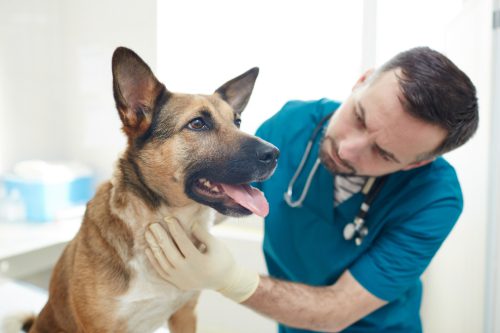
When pet owners bring in a dog’s tongue that is swollen, veterinarians start with a detailed history and physical exam. They assess how quickly the swelling appeared, whether it has changed, and what other symptoms are present. This information narrows down possible causes. Your veterinarian may carefully examine the mouth, teeth, and gums to look for injuries, infections, or growths. Depending on findings, additional diagnostics such as bloodwork, imaging, or oral sampling may be recommended. These steps help identify whether the swelling is localized or linked to a systemic issue.
When to Contact Your Veterinarian
Any time a dog’s swollen tongue is noticed, contacting your veterinarian is a wise choice. Swelling in the mouth can affect breathing, eating, and overall comfort. Even if symptoms seem mild, early evaluation can prevent complications. If your dog’s tongue becomes swollen, appears suddenly, worsens quickly, or is accompanied by breathing difficulty, drooling, or behavioral changes, immediate veterinary attention is necessary. Subtle signs can also be meaningful, especially if the swelling does not resolve.
Our veterinary team at Bottletree Animal Hospital in Oxford, Mississippi is here to help you understand what may be causing the change and what steps come next. If you notice your dog’s tongue is swollen or see any changes in their mouth, call (662) 234-4336 or make an appointment to have your pet evaluated. Prompt attention provides clarity, peace of mind, and the best path forward for your dog’s health.
Recent Posts
About Us
Welcome to Bottletree Animal Hospital, your family-friendly veterinarian in Oxford. We are a team of animal lovers who are passionate about veterinary excellence. We love working closely with you and your pet to help us learn more about your furry friend, their lifestyle, and their needs.