

The Bottletree Blog
Leg Fractures in Dogs: Causes, Signs, and Treatment
Leg fractures in dogs are more common than many pet owners realize, and they can happen to any dog at any age. Whether your dog took a bad fall, was involved in an accident, or you simply noticed them holding a leg up and refusing to put weight on it, a suspected broken leg in a dog is always a situation that calls for prompt veterinary attention. At Bottletree Animal Hospital in Oxford, Mississippi, the team sees and treats dog leg fractures regularly, and with the right care, most dogs make a full recovery. Below, we’ll discuss what you need to know about what causes leg fractures in dogs, how to recognize the signs, and what treatment looks like.
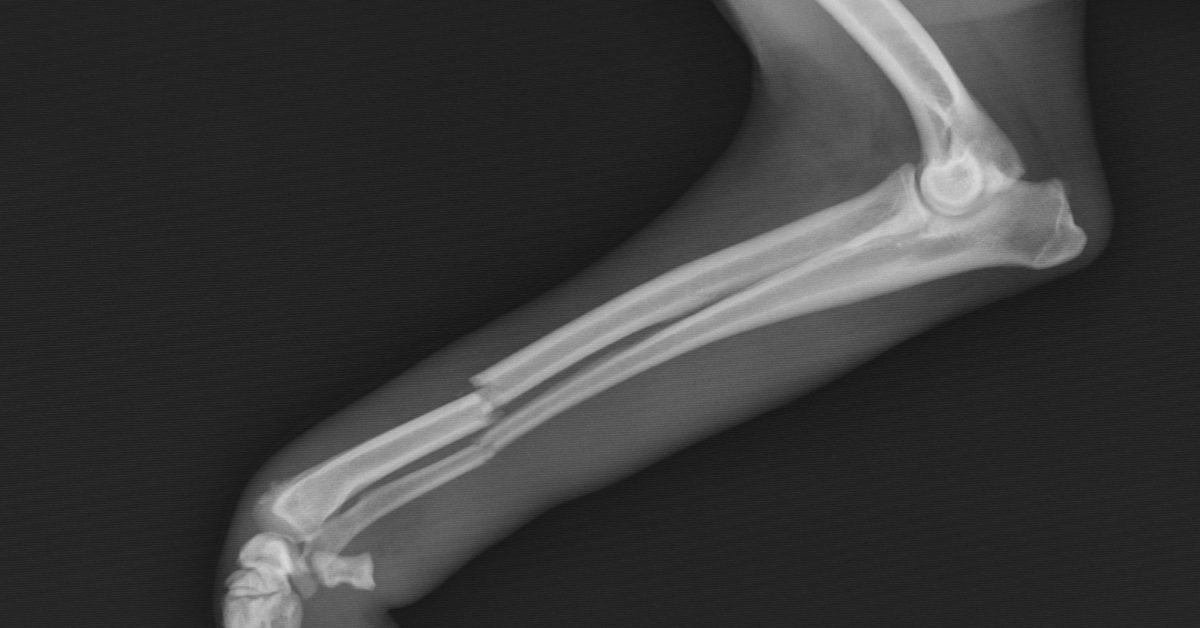
What Causes Leg Fractures in Dogs?
A leg fracture in a dog occurs when one or more bones in a limb crack or break completely. The causes range from traumatic injuries to underlying medical conditions that weaken the bone over time.
Common Causes of Broken Legs in Dogs
Some of the most frequent reasons dogs suffer leg fractures include:
- Vehicle accidents: Being struck by a car is one of the most common causes of severe fractures in dogs, often affecting multiple limbs or involving compound fractures where bone breaks through the skin
- Falls from height: Dogs who jump from decks, furniture, or windows, especially small breeds, are at risk of fracturing a leg on impact
- Rough play or collision: High-speed play with other dogs or objects can result in a fracture, particularly in dogs with smaller or more fragile bone structure
- Pathologic fractures: These occur when bone is already weakened by conditions like bone cancer (osteosarcoma), nutritional deficiencies, or metabolic disease and a fracture can happen with minimal force
- Athletic injuries: Working dogs and highly active breeds can fracture bones during intense activity, agility training, or hunting
Puppies and toy breeds are particularly prone to leg fractures due to their smaller, more delicate bones. Similarly, older dogs may fracture more easily if bone density has declined with age.
What Are the Signs of a Leg Fracture in a Dog?
Recognizing the signs of a broken leg in a dog quickly is important for your dog’s comfort and long-term outcome. Some fractures are obvious, while others can look more like a sprain or soft tissue injury at first glance.
Signs Your Dog May Have a Fractured Leg
Watch for these key indicators that something may be seriously wrong:
- Sudden onset lameness or complete refusal to bear weight on a limb
- Visible deformity, swelling, or abnormal angle of the leg
- Audible bone crepitus (a grinding or crunching sensation when the area is gently touched)
- An open wound with bone visible through the skin (compound fracture). This is a veterinary emergency
- Crying, whimpering, or vocalizing when the affected area is touched or when the dog tries to move
- Dragging a limb rather than holding it up
- Lethargy or reluctance to move following an injury
If your dog has any of these signs after a trauma or fall, treat it as an emergency. Do not attempt to splint the leg at home, as improper immobilization can cause additional injury. Contact Bottletree Animal Hospital or the nearest emergency veterinary clinic right away.
How Are Dog Leg Fractures Diagnosed?
When a dog comes in with a suspected leg fracture, our veterinary team’s first priority is pain management and stabilization. Once your dog is comfortable, the diagnostic process begins to determine the type, location, and severity of the fracture.
Diagnostic Steps for a Canine Leg Fracture
At Bottletree Animal Hospital, diagnosis of a dog leg fracture typically involves:
- Physical examination: Gentle palpation of the limb to assess the location of pain, swelling, and instability
- X-rays (radiographs): Multiple angles are taken to visualize the fracture line, the number of bone fragments, and whether joints are involved
- Blood work: Especially important before surgery to assess overall health and organ function
Understanding the exact nature of the fracture is critical to choosing the right treatment approach. Not all broken legs in dogs are treated the same way.
Types of Leg Fractures Seen in Dogs
Veterinarians classify canine leg fractures in several ways, and the classification influences the treatment plan significantly. Understanding the terminology your vet uses can help you make informed decisions about your dog’s care.
Fracture Types and What They Mean
Some common categories of dog bone fractures include:
- Closed fracture: The bone is broken but the skin remains intact
- Open (compound) fracture: The bone has penetrated the skin, creating an open wound and a high risk of infection that requires immediate surgical intervention
- Greenstick fracture: A partial break more common in young dogs with still-developing bones
- Comminuted fracture: The bone is shattered into three or more fragments, making repair more complex
- Physeal (growth plate) fracture: Affects the growth plates in young dogs and requires careful management to avoid growth abnormalities
The bone involved also matters. Fractures of the femur (thigh bone), tibia (shin bone), radius and ulna (foreleg bones), or smaller bones of the paw all require different approaches.
How Are Leg Fractures in Dogs Treated?
Treatment for a dog leg fracture depends on several factors: the type and location of the fracture, the age and size of the dog, and any concurrent injuries. The goal of canine fracture treatment is to realign the bone, stabilize it during healing, and restore normal function to the limb.
Surgical Treatment for Broken Legs in Dogs
Most significant leg fractures in dogs require surgery. Common surgical options include:
- Intramedullary pins: Metal rods inserted into the bone’s marrow cavity to stabilize it during healing
- Bone plates and screws: Metal plates are fixed to the outside of the bone to hold fragments in proper alignment
- External skeletal fixators: Metal pins placed through the skin and bone and connected to an external frame, often used for open fractures or complex cases
- Interlocking nails: A nail threaded through the bone and locked in place with screws at each end, offering strong stabilization
The goal of surgical repair of dog bone fractures is to restore the anatomy as precisely as possible so that the bone can heal in a functional position. Your veterinarian will discuss the most appropriate method for your dog’s specific injury.
Non-Surgical Options for Dog Leg Fractures
In some cases, particularly with very minor fractures or fractures in very young puppies whose bones heal rapidly, a splint or cast may be sufficient. However, non-surgical management requires strict rest and is less reliable for most adult dogs with significant fractures. Your veterinarian at Bottletree Animal Hospital will help you weigh the options based on your dog’s individual circumstances.
What Is Recovery Like After a Dog Leg Fracture?
Recovery from a leg fracture in a dog is a process that requires patience, diligent at-home care, and regular follow-up with your veterinary team. The timeline varies based on the dog’s age, the severity of the fracture, and the type of repair performed.
Younger dogs tend to heal faster than older dogs. Simple fractures in puppies can heal in as little as four to six weeks. More complex fractures in adult or senior dogs may require eight to twelve weeks of healing or longer. During this time, exercise restriction is critical, even when your dog seems to feel better, the bone may not yet be stable enough for full activity.
Home Care During Recovery
After fracture repair surgery, our team at Bottletree Animal Hospital will send you home with detailed instructions that typically include strict rest with leash walks only, administration of pain medications and antibiotics as prescribed, monitoring the surgical site for signs of infection or swelling, caring for any external fixators (pin cleaning, bandage changes), and scheduled follow-up appointments for repeat X-rays to track bone healing. Physical rehabilitation may also be recommended to help your dog regain strength and range of motion in the affected limb, especially after more severe injuries.
When a Leg Fracture Warrants an Emergency Visit
Some situations involving a dog’s broken leg require immediate emergency care. If your dog has been hit by a vehicle, has an open fracture with bone visible, is non-weight-bearing following any trauma, or is in obvious distress, do not wait for a scheduled appointment. Contact Bottletree Animal Hospital immediately or head to an emergency veterinary clinic.
Prompt treatment not only reduces your dog’s pain but also improves the odds of a successful repair. Fractures that are left untreated, even for a short time, can develop complications like infection, poor alignment, or delayed healing that make recovery more difficult.
Getting Your Dog Back on All Four Paws
A leg fracture is a scary diagnosis for any pet owner, but the good news is that most dogs treated promptly and appropriately go on to live full, comfortable, active lives. The team at Bottletree Animal Hospital in Oxford, Mississippi is experienced in diagnosing and treating all types of leg fractures in dogs, from straightforward breaks to complex multi-fragment injuries.
If you suspect your dog has a broken leg or has been injured, call us right away at (662) 234-4336. We’re here to help your dog heal, and to give you the support and answers you need every step of the way.
Recent Posts
About Us
Welcome to Bottletree Animal Hospital, your family-friendly veterinarian in Oxford. We are a team of animal lovers who are passionate about veterinary excellence. We love working closely with you and your pet to help us learn more about your furry friend, their lifestyle, and their needs.